We have compiled a list of manufacturers, distributors, product information, reference prices, and rankings for Degree explanation video.
ipros is IPROS GMS IPROS One of the largest technical database sites in Japan that collects information on.

Degree explanation video - List of Manufacturers, Suppliers, Companies and Products

Degree explanation video Product List

1~9 item / All 9 items

Displayed results

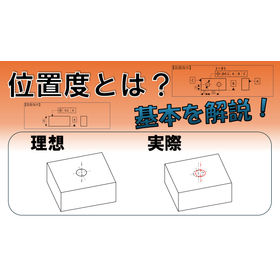
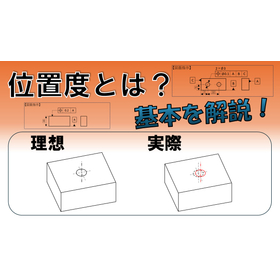
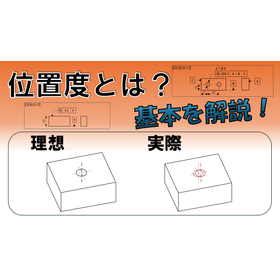
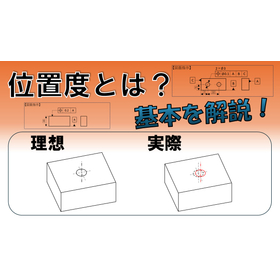
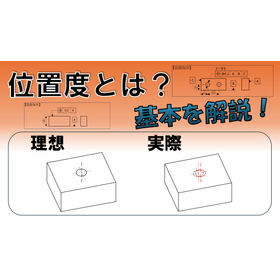
Positioning Explanation Video for Medical Devices

A clear explanation of the basics of positional degree!

In the medical device industry, precise dimensions and positional accuracy of components are crucial to ensure product safety. Especially in medical devices that involve human lives, even slight misalignments of parts can lead to malfunctions or performance degradation, potentially resulting in serious accidents. This video explains the basics of "position tolerance," a type of geometric tolerance, and contributes to enhancing safety in the design and manufacturing of medical devices. By deepening the understanding of the definition of position tolerance, examples of its use, how it is represented in drawings, and precautions for its application, we aim to strengthen quality management during the design and manufacturing stages and support the development of safer medical devices. 【Application Scenarios】 - Creating drawings during the design phase of medical devices - Quality control in manufacturing settings - Incoming inspection of components 【Benefits of Implementation】 - Deepening understanding of position tolerance and improving quality in design and manufacturing - Enhancing the safety of medical devices - Reducing defective products and cutting costs

Added to bookmarks

Bookmarks list

Bookmark has been removed

Bookmarks list

You can't add any more bookmarks

By registering as a member, you can increase the number of bookmarks you can save and organize them with labels.

Free membership registration

Positioning Accuracy Explanation Video for Electronic Devices

"What is positional degree?" I will answer that!

In the electronics industry, as products become smaller, the precision of components becomes crucial. Understanding positional tolerance enables the accurate placement of parts during the design phase, contributing to product miniaturization and improved reliability. Misunderstanding positional tolerance can lead to assembly defects and decreased product performance. This video explains the basics of positional tolerance and supports problem-solving in the design and manufacturing of electronic devices. 【Application Scenarios】 - Design of electronic devices - Manufacturing of components - Quality control 【Benefits of Implementation】 - Deepen understanding of positional tolerance and improve design accuracy - Contribute to product miniaturization and enhanced reliability - Reduce quality issues in the manufacturing process

Added to bookmarks

Bookmarks list

Bookmark has been removed

Bookmarks list

You can't add any more bookmarks

By registering as a member, you can increase the number of bookmarks you can save and organize them with labels.

Free membership registration

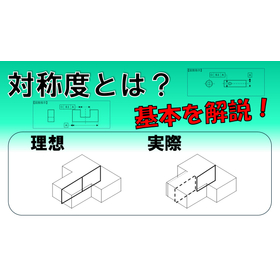
Basic Explanation of Geometric Tolerances for Symmetry in the Automotive Industry

Contributing to the improvement of precision in automotive parts!

In the automotive industry, high precision is required to ensure the quality and performance of parts. This is especially true for critical components such as engines and transmissions, where a precise understanding of symmetry and appropriate instructions are essential. Misinterpretation or incorrect instructions regarding symmetry can lead to functional failures or performance degradation of parts. This video explains the basics of "symmetry," a type of geometric tolerance, and supports problem-solving in the design and manufacturing of automotive parts. It covers the definition of symmetry, examples of use, how it is represented in drawings, and points to note when using it. [Application Scenarios] - Design of automotive parts - Quality control in manufacturing - Training for engineers [Benefits of Implementation] - Improvement in part quality - Reduction of design errors - Skill enhancement for engineers

Added to bookmarks

Bookmarks list

Bookmark has been removed

Bookmarks list

You can't add any more bookmarks

By registering as a member, you can increase the number of bookmarks you can save and organize them with labels.

Free membership registration

Video explaining positional accuracy for 3D printing

Deepen your understanding of positional accuracy in 3D printing!

In the 3D printing industry, the accuracy of the printed objects greatly affects the quality of the products. This is especially true when combining multiple parts or when products require precise movements, making the understanding of positional tolerance essential. Misunderstandings or inaccurate interpretations of positional tolerance can lead to defects in the printed objects or assembly failures. This video explains the basics of "positional tolerance," a type of geometric tolerance. It covers the definition of positional tolerance, examples of its use, how it is represented in drawings, and points to be cautious about when using it. Please make use of this information to produce high-quality printed objects with your 3D printer. 【Usage Scenarios】 - When manufacturing precision parts with a 3D printer - During the design and manufacturing of products that combine multiple parts - When conducting quality control of printed objects 【Benefits of Implementation】 - Deepening the understanding of positional tolerance and improving the accuracy of printed objects - Reducing mistakes during the design and manufacturing stages - Ensuring a stable supply of high-quality products

Added to bookmarks

Bookmarks list

Bookmark has been removed

Bookmarks list

You can't add any more bookmarks

By registering as a member, you can increase the number of bookmarks you can save and organize them with labels.

Free membership registration

What is positional accuracy for optical devices? An explanation of the basics!

I will answer the question, 'What is positionality?'

In the optical equipment industry, precise positioning of components is required to maintain product performance. Particularly with precision parts such as lenses and sensors, even slight deviations in positioning can lead to a decline in optical performance. Improper positioning can cause image distortion and reduced resolution. This video explains the basics of "position tolerance," a type of geometric tolerance. By understanding the definition of position tolerance, how it is used in drawings, and points to be aware of, it can contribute to quality improvement in the design and manufacturing of optical equipment. 【Application Scenarios】 - Positioning of optical lenses - Installation of sensors - Assembly of precision parts 【Benefits of Implementation】 - Improvement of optical performance - Enhancement of product quality - Improvement of yield

Added to bookmarks

Bookmarks list

Bookmark has been removed

Bookmarks list

You can't add any more bookmarks

By registering as a member, you can increase the number of bookmarks you can save and organize them with labels.

Free membership registration

Positioning Explanation Video for Watch Manufacturing

Explaining the basics of positional accuracy! Improving quality in watch manufacturing.

In the watch manufacturing industry, precise positioning of components is essential to ensure product durability. Particularly in the case of intricate movements and exterior parts, the positional accuracy of each component significantly impacts the product's lifespan and performance. A lack of understanding of positional tolerances or improper instructions can lead to assembly defects or functional failures. This video explains the basics of "position tolerance," a type of geometric tolerance. It covers the definition of position tolerance, examples of its use, how it is represented in drawings, and points to consider when using it. Understanding the importance of position tolerance in watch manufacturing will help improve quality. 【Usage Scenarios】 - Manufacturing movement components - Assembling exterior parts - Education in quality control departments 【Benefits of Implementation】 - Improved assembly accuracy of components - Enhanced product durability - Reduction of defective products - Increased quality management capabilities

Added to bookmarks

Bookmarks list

Bookmark has been removed

Bookmarks list

You can't add any more bookmarks

By registering as a member, you can increase the number of bookmarks you can save and organize them with labels.

Free membership registration

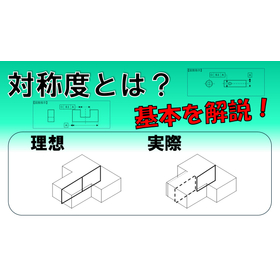
Basic Explanation of Geometric Tolerances for Molds: Symmetry

Explaining the basics of symmetry that are useful for mold design and manufacturing!

In the mold industry, it is important to manufacture molds with precision according to the drawings in order to enhance the durability of the products. In particular, symmetry has a significant impact on the strength and functionality of the mold, making its understanding essential. If the symmetry specifications are not appropriate, it may lead to early mold failure or a decrease in product accuracy. This video explains the basics of "symmetry," which is a type of geometric tolerance. 【Application Scenarios】 - During the design phase of molds - Quality control during mold manufacturing - When interpreting drawings 【Effects of Implementation】 - Deepening the understanding of symmetry and improving the accuracy of mold design - Streamlining quality control in mold manufacturing - Reducing mold-related issues through accurate understanding of drawing specifications

Added to bookmarks

Bookmarks list

Bookmark has been removed

Bookmarks list

You can't add any more bookmarks

By registering as a member, you can increase the number of bookmarks you can save and organize them with labels.

Free membership registration

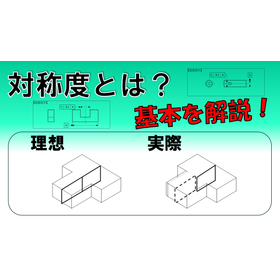
What is geometric tolerance for symmetry in watch manufacturing?

Explaining the "symmetry" that affects the aesthetics of watch parts!

In the watch manufacturing industry, precise processing of parts is required to balance the aesthetics and functionality of products. Particularly for external components such as watch dials and hands, symmetry greatly influences the quality of the product. Deficiencies in symmetry can lead to uneven appearances and decreased assembly accuracy, potentially compromising the product's value. This video explains the basics of "symmetry," a type of geometric tolerance. By understanding the definition of symmetry, examples of its use, how it is represented in drawings, and points to consider when using it, you can enhance the quality of design and manufacturing of watch components. 【Application Scenarios】 - Design and manufacturing of external components such as watch dials, hands, and cases - Quality control regarding the symmetry of parts - Understanding and utilizing drawing specifications 【Benefits of Implementation】 - Deepening understanding of symmetry to improve design and manufacturing quality - Balancing aesthetics and functionality of external components - Reducing defective products and cutting costs

Added to bookmarks

Bookmarks list

Bookmark has been removed

Bookmarks list

You can't add any more bookmarks

By registering as a member, you can increase the number of bookmarks you can save and organize them with labels.

Free membership registration

Video explanation of geometric tolerances for instrument manufacturing: symmetry.

Contributing to the improvement of musical instrument sound quality! Explaining the basics of symmetry.

In the musical instrument manufacturing industry, uniformity and stability of sound quality are required. In particular, for parts related to the vibration and resonance of instruments, the accuracy of dimensions significantly affects the timbre. Understanding symmetry is essential for ensuring quality at the design stage. Improper symmetry can lead to pitch discrepancies and deterioration of sound quality. This video explains the basics of "symmetry," a type of geometric tolerance. 【Application Scenarios】 - Design of instrument parts - Quality control in the manufacturing process - Problem-solving related to sound quality 【Effects of Implementation】 - Improvement of quality at the design stage - Reduction of defect rates in the manufacturing process - Stabilization of sound quality

Added to bookmarks

Bookmarks list

Bookmark has been removed

Bookmarks list

You can't add any more bookmarks

By registering as a member, you can increase the number of bookmarks you can save and organize them with labels.

Free membership registration